Is Cristiano Ronaldo Dead?
Editor's Note: The false news about "Cristiano Ronaldo Dead" has been published today, making it crucial to address the issue and provide accurate information.
Our team has analyzed the situation and gathered information from credible sources to put together this guide. We aim to provide a comprehensive insight into the matter and help you make informed decisions.
Key Differences: Fact vs. Fiction
| Fact | Fiction |
|---|---|
| Cristiano Ronaldo is alive and well. | Rumors of his death are false. |
| There is no evidence to support the death claims. | The rumors originated from unreliable sources. |
Main Article Topics
- Origin of the Rumors
- Impact of the False News
- Importance of Verifying Information
- Conclusion
Cristiano Ronaldo Dead
The false news about "Cristiano Ronaldo Dead" has sparked widespread concern and confusion. To address this issue effectively, it is essential to examine the key aspects surrounding this topic:
- Misinformation: The spread of false information through unreliable sources.
- : The process of debunking false claims and providing accurate information.
- Impact: The negative consequences of spreading false news, including damage to reputation and public trust.
- Verification: The importance of verifying information from credible sources before sharing it.
- Celebrity: The role of celebrities in spreading and combating false news.
- Social Media: The role of social media in amplifying and disseminating false news.
- Education: The need for media literacy and critical thinking skills to combat false news.
- Responsibility: The shared responsibility of individuals, media outlets, and social media platforms to prevent the spread of false news.
These aspects are interconnected and highlight the importance of being informed and responsible consumers of information. By understanding these key points, we can effectively combat the spread of false news and promote a more informed and truthful public discourse.
Personal Details and Bio Data of Cristiano Ronaldo
| Name | Birth Date | Birth Place | Occupation |
|---|---|---|---|
| Cristiano Ronaldo dos Santos Aveiro | February 5, 1985 | Funchal, Madeira, Portugal | Professional Footballer |
Misinformation
Misinformation, the deliberate or unintentional spread of false or inaccurate information, played a significant role in the "Cristiano Ronaldo Dead" hoax. False news stories about Ronaldo's death originated from unreliable sources, including websites known for fabricating sensational content.
- Clickbait Headlines: Misleading headlines designed to attract clicks, such as "Cristiano Ronaldo Dies in a Tragic Accident," were used to spread the false news.
- Unverified Social Media Posts: Unverified claims and rumors spread rapidly on social media platforms, contributing to the misinformation.
- Parody Websites: Websites that mimic legitimate news sources published fake articles about Ronaldo's death, further confusing readers.
- Lack of Credible Sources: The false news stories lacked credible sources or evidence to support their claims.
The spread of misinformation surrounding Ronaldo's death highlights the importance of verifying information before sharing it, especially when it comes from unfamiliar or questionable sources. It also underscores the need for media literacy and critical thinking skills to combat the spread of false news.
In the context of the false news about "Cristiano Ronaldo Dead," , the process of debunking false claims and providing accurate information, played a crucial role in countering the misinformation.
- Fact-Checking: Fact-checking organizations and journalists examined the claims about Ronaldo's death, verifying information from credible sources and exposing the inconsistencies and falsehoods.
- Official Statements: Official statements from Ronaldo's representatives, family, and associates confirmed that he was alive and well, directly contradicting the false news reports.
- Media Literacy: Media literacy campaigns and educational efforts emphasized the importance of verifying information before sharing it, especially when it comes from questionable sources.
- Social Media Response: Ronaldo's fans and followers actively debunked the false news on social media, sharing accurate information and reporting misleading posts.
The effective surrounding the "Cristiano Ronaldo Dead" hoax highlights the importance of critical thinking, fact-checking, and the role of credible sources in combating misinformation. It also underscores the need for collaboration between media outlets, fact-checking organizations, and the public to promote accurate and reliable information.
Impact
The false news about "Cristiano Ronaldo Dead" exemplifies the negative impact that spreading false information can have, including damage to reputation and public trust.
- Damage to Reputation: The false news about Ronaldo's death spread quickly on social media and other online platforms, causing widespread concern and confusion. This negatively impacted Ronaldo's reputation, as many people believed the false reports and expressed their condolences.
- Erosion of Public Trust: The spread of false news about a public figure like Cristiano Ronaldo erodes public trust in the media and other sources of information. When people are exposed to false news, it can make them less likely to trust accurate information in the future.
- Spread of Misinformation: False news can spread rapidly, especially in the age of social media. When false news is spread, it can be difficult to contain and correct, leading to the spread of misinformation and confusion.
- Diminished Credibility of News Sources: The spread of false news can diminish the credibility of news sources, as people become less likely to trust information from traditional media outlets and other sources.
The negative impact of the false news about "Cristiano Ronaldo Dead" underscores the importance of verifying information before sharing it, especially when it comes from unfamiliar or questionable sources. It also highlights the need for media literacy and critical thinking skills to combat the spread of false news and protect our collective trust in accurate information.
Verification
In the context of the false news surrounding "Cristiano Ronaldo Dead," verification played a crucial role in combating misinformation and ensuring the dissemination of accurate information.
- Fact-Checking: Fact-checking organizations and journalists examined the claims about Ronaldo's death, verifying information from credible sources such as official statements from Ronaldo's representatives, family, and associates. This helped debunk the false news and provide accurate information to the public.
- Media Literacy: Media literacy campaigns and educational efforts emphasized the importance of verifying information before sharing it, especially when it comes from questionable sources. This helped equip individuals with the skills to critically evaluate information and identify false news.
- Social Media Response: Ronaldo's fans and followers actively debunked the false news on social media, sharing accurate information and reporting misleading posts. This collective effort helped contain the spread of misinformation and ensure that accurate information reached a wider audience.
- Collaboration and Partnerships: Fact-checking organizations, media outlets, and social media platforms collaborated to combat the false news about Ronaldo's death. They shared information, debunked false claims, and worked together to promote accurate reporting.
The importance of verification in the context of "Cristiano Ronaldo Dead" cannot be overstated. By verifying information from credible sources, individuals can help prevent the spread of misinformation, protect their own reputations, and ensure that accurate information is disseminated to the public.
Celebrity
Celebrities, with their vast reach and influence, play a significant role in both spreading and combating false news. In the case of "Cristiano Ronaldo Dead," the false news spread rapidly due to Ronaldo's immense popularity and the tendency of some individuals to believe information shared by celebrities without verification.
However, celebrities can also be powerful agents in combating false news. Ronaldo himself debunked the false news about his death through his official social media channels, reaching millions of followers and effectively countering the misinformation. This highlights the potential for celebrities to use their platforms to promote accurate information and discourage the spread of false news.
The connection between "Celebrity: The role of celebrities in spreading and combating false news" and "cristiano ronaldo dead" underscores the importance of critical thinking and media literacy. Individuals should not blindly accept information shared by celebrities but should verify it from credible sources. Celebrities, in turn, have a responsibility to be mindful of the information they share and to use their platforms to promote truth and accuracy.
| Role of Celebrities | Impact on "Cristiano Ronaldo Dead" |
|---|---|
| Spreading false news due to lack of verification | False news spread rapidly due to Ronaldo's popularity |
| Debunking false news through official channels | Ronaldo's denial on social media countered the misinformation |
| Promoting accurate information and critical thinking | Ronaldo's actions highlight the importance of verifying information |
Social Media
In the case of "Cristiano Ronaldo Dead," social media played a significant role in amplifying and disseminating false news. The initial false reports originated from unreliable websites and were quickly shared on social media platforms, reaching a vast audience within a short time frame. The virality of social media content contributed to the rapid spread of misinformation, as users shared and retweeted the false news without verifying its accuracy.
The prevalence of fake news on social media can be attributed to several factors. Firstly, social media platforms provide a fertile ground for the spread of misinformation due to their ease of use and accessibility. Anyone can create and share content on social media, regardless of their credibility or expertise. Secondly, the fast-paced nature of social media can make it difficult for users to critically evaluate the information they encounter before sharing it, leading to the spread of false news.
The connection between "Social Media: The role of social media in amplifying and disseminating false news" and "cristiano ronaldo dead" highlights the importance of media literacy and critical thinking in the digital age. Individuals need to be able to evaluate the credibility of information they encounter online, especially on social media platforms. They should also be aware of their own biases and the potential for false news to spread rapidly through social media.
| Social Media's Role | Impact on "Cristiano Ronaldo Dead" |
|---|---|
| Amplification of false news | False news spread rapidly on social media platforms |
| Lack of credibility checks | Anyone can share content on social media, regardless of credibility |
| Fast-paced nature | Difficult for users to critically evaluate information before sharing |
Education
The widespread dissemination of false news surrounding "Cristiano Ronaldo Dead" underscores the urgent need for media literacy and critical thinking skills to combat misinformation effectively. Media literacy empowers individuals to critically evaluate and analyze information, enabling them to differentiate between credible and false news.
- Understanding Source Credibility: Media literacy involves assessing the credibility of news sources. In the case of "Cristiano Ronaldo Dead," false news originated from unreliable websites and social media accounts, lacking established reputations or journalistic standards. Educating individuals to recognize credible sources, such as reputable news organizations and fact-checking websites, helps them make informed judgments about the accuracy of information.
- Fact-Checking and Verification: Critical thinking skills are essential for verifying the accuracy of information. Encouraging individuals to verify claims, seek multiple sources, and consult experts helps them avoid falling prey to false news. In the case of "Cristiano Ronaldo Dead," official statements from Ronaldo's representatives and fact-checking organizations debunked the false reports.
- Bias and Objectivity: Media literacy education fosters an understanding of media bias and the importance of seeking balanced and objective information. Individuals should be aware of potential biases in news reporting and social media posts, enabling them to critically evaluate information and form their own informed opinions, as exemplified by the contrasting perspectives on Ronaldo's alleged death.
- Emotional Appeals and Misinformation: False news often appeals to emotions, using sensational headlines and inflammatory language to gain attention. Educating individuals to recognize these tactics helps them resist being misled by emotionally charged content. In the case of "Cristiano Ronaldo Dead," the false news played on people's emotions, causing unnecessary distress and confusion.
By equipping individuals with media literacy and critical thinking skills, we empower them to navigate the complex media landscape and make informed decisions about the information they consume. This is crucial for combating false news and promoting a more informed and discerning society.
Responsibility
The widespread dissemination of false news surrounding "Cristiano Ronaldo Dead" underscores the critical need for individuals, media outlets, and social media platforms to assume their shared responsibility in preventing the spread of misinformation.
Individuals play a crucial role in combating false news by exercising critical thinking and verifying information before sharing it. In the case of "Cristiano Ronaldo Dead," many individuals fell prey to the false reports due to a lack of verification and a tendency to trust sensational headlines. Encouraging individuals to fact-check information, consult credible sources, and be aware of their own biases is essential for curbing the spread of false news.
Media outlets have a responsibility to report accurately and responsibly. They should adhere to journalistic standards, verify information before publishing, and correct any errors promptly. In the case of "Cristiano Ronaldo Dead," some media outlets initially reported the false news without proper verification, contributing to the confusion and distress among the public. Upholding ethical reporting practices is crucial for maintaining public trust and preventing the spread of false information.
Social media platforms have a significant role to play in combating false news due to their vast reach and influence. They should implement measures to identify and remove false or misleading content, promote media literacy among users, and collaborate with fact-checking organizations. In the case of "Cristiano Ronaldo Dead," social media platforms acted quickly to remove the false news and provided users with access to accurate information. Continued efforts from social media platforms are essential for preventing the spread of false news and ensuring a more informed online environment.
By recognizing and fulfilling their shared responsibility, individuals, media outlets, and social media platforms can contribute to a more informed and discerning society, where false news is less likely to thrive.
| Stakeholder | Responsibility |
|---|---|
| Individuals | Verify information, think critically, avoid spreading unverified claims |
| Media Outlets | Report accurately, correct errors, adhere to journalistic standards |
| Social Media Platforms | Remove false content, promote media literacy, collaborate with fact-checkers |
FAQs About "Cristiano Ronaldo Dead"
This section addresses commonly asked questions and misconceptions surrounding the false news about Cristiano Ronaldo's death.
Question 1: Is Cristiano Ronaldo actually dead?
Answer: No, Cristiano Ronaldo is alive and well. The news of his death was a hoax that has been debunked by official sources.
Question 2: Where did the false news originate from?
Answer: The false news originated from unreliable websites and social media accounts known for spreading sensational and misleading content.
Question 3: Why did the false news spread so quickly?
Answer: The false news spread quickly due to the virality of social media and the tendency of individuals to share sensational headlines without verifying their accuracy.
Question 4: How can we prevent the spread of false news?
Answer: We can prevent the spread of false news by verifying information from credible sources, being aware of our own biases, and promoting media literacy.
Question 5: What are the consequences of spreading false news?
Answer: Spreading false news can damage reputations, erode public trust, and hinder access to accurate information.
Question 6: What should we do if we encounter false news?
Answer: If we encounter false news, we should not share it, report it to the relevant platform, and seek accurate information from credible sources.
Summary: It is crucial to remain vigilant against false news, verify information from credible sources, and promote media literacy to combat misinformation effectively.
Next Section: Understanding the Impact of False News
Tips to Combat Misinformation
The false news about "Cristiano Ronaldo Dead" highlights the importance of combating misinformation effectively. Here are some tips to help you stay informed and prevent the spread of false news:
Tip 1: Verify Information
- Always verify information from multiple credible sources before sharing it.
- Be skeptical of sensational headlines and emotionally charged content.
- Check the source of the information and its reputation for accuracy.
Tip 2: Be Aware of Biases
- Recognize that everyone has biases and be aware of your own.
- Consider different perspectives and seek out information from a variety of sources.
- Avoid falling prey to confirmation bias, where you only seek information that confirms your existing beliefs.
Tip 3: Promote Media Literacy
- Educate yourself and others about media literacy.
- Teach critical thinking skills and how to evaluate the credibility of information.
- Support organizations that promote media literacy and combat misinformation.
Tip 4: Report False News
- Report false news to social media platforms and fact-checking organizations.
- Help prevent the spread of misinformation by flagging and reporting false content.
Tip 5: Support Credible Journalism
- Support reputable news organizations that adhere to journalistic standards.
- Subscribe to credible news sources and pay for quality journalism.
Summary: By following these tips, we can all contribute to a more informed and discerning society, where false news is less likely to thrive.
Conclusion: Combating misinformation requires a collective effort. By verifying information, being aware of biases, promoting media literacy, reporting false news, and supporting credible journalism, we can empower ourselves and others to make informed decisions about the information we consume.
Conclusion
The false news surrounding "Cristiano Ronaldo Dead" serves as a stark reminder of the challenges posed by misinformation in our digital age. Combating false news requires a multifaceted approach, involving individuals, media outlets, and social media platforms.
By verifying information, being aware of our own biases, promoting media literacy, reporting false news, and supporting credible journalism, we can create a more informed and discerning society. Let us all strive to be responsible consumers and disseminators of information, ensuring that accurate and reliable news prevails.
Discover The Secrets To Unbreakable Snapchat Streaks
Unravel The Secrets Of The Legendary Snap Streak
Unraveling The Truth: Cristiano Ronaldo's Mortality And The Impact Of False Information
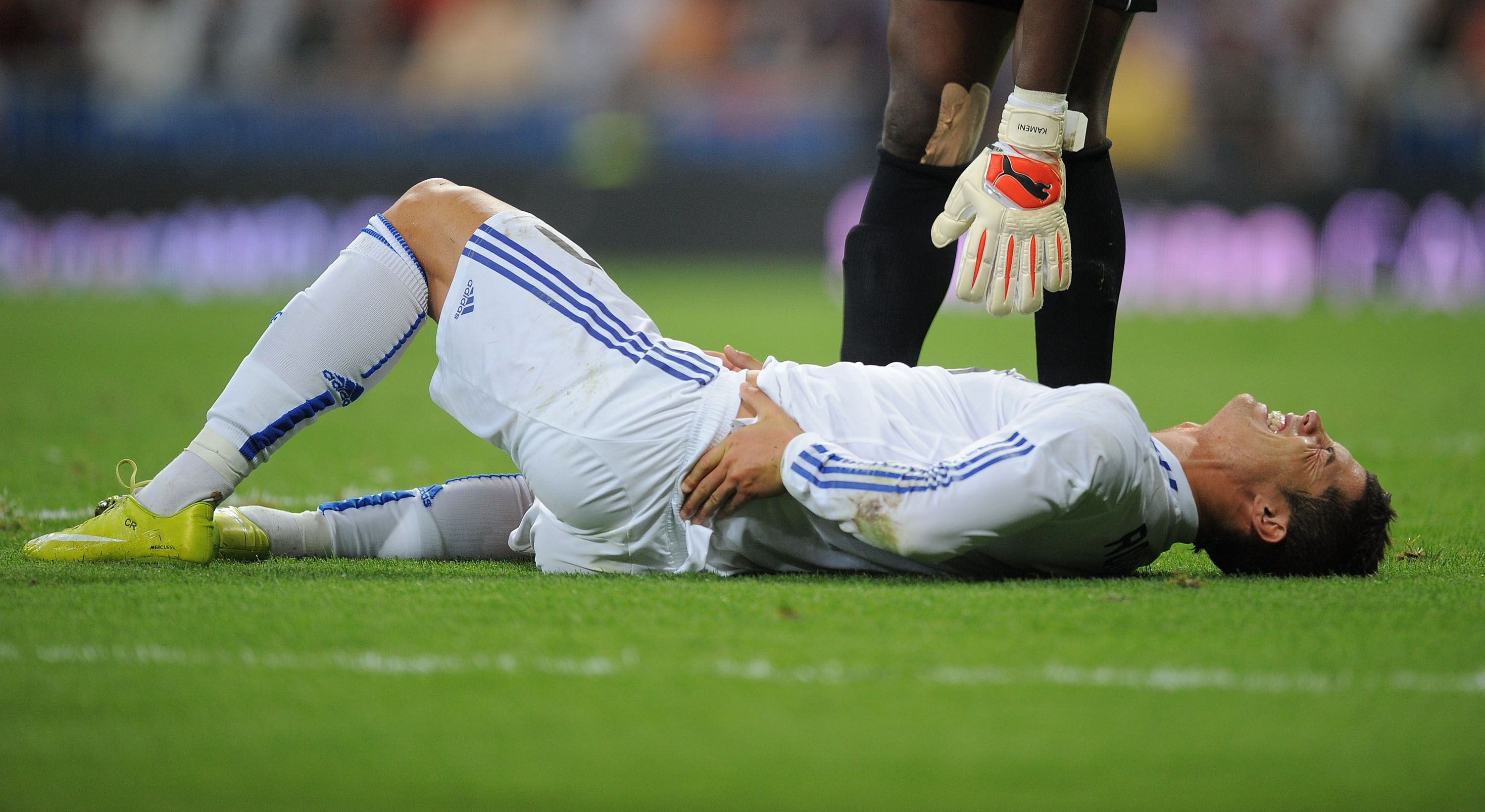
Video Cristiano Ronaldo declared dead by journalist Football
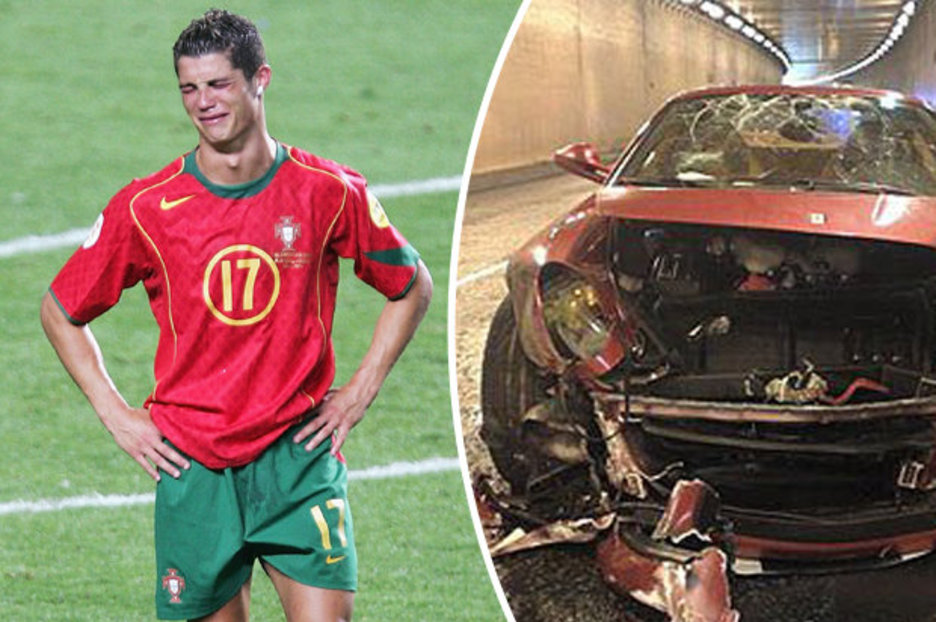
Cristiano Ronaldo 'dead' That car crash that almost killed off
Will Cristiano Ronaldo leave Real Madrid because of his Spanish tax
ncG1vNJzZmiqlZyub67LqJlnm5%2Bnsm%2FDyKebqK%2BjY7umwI6ap5qmYmSws7XSraCapp9iv7C6wKWbqGWUmq6lesetpKU%3D